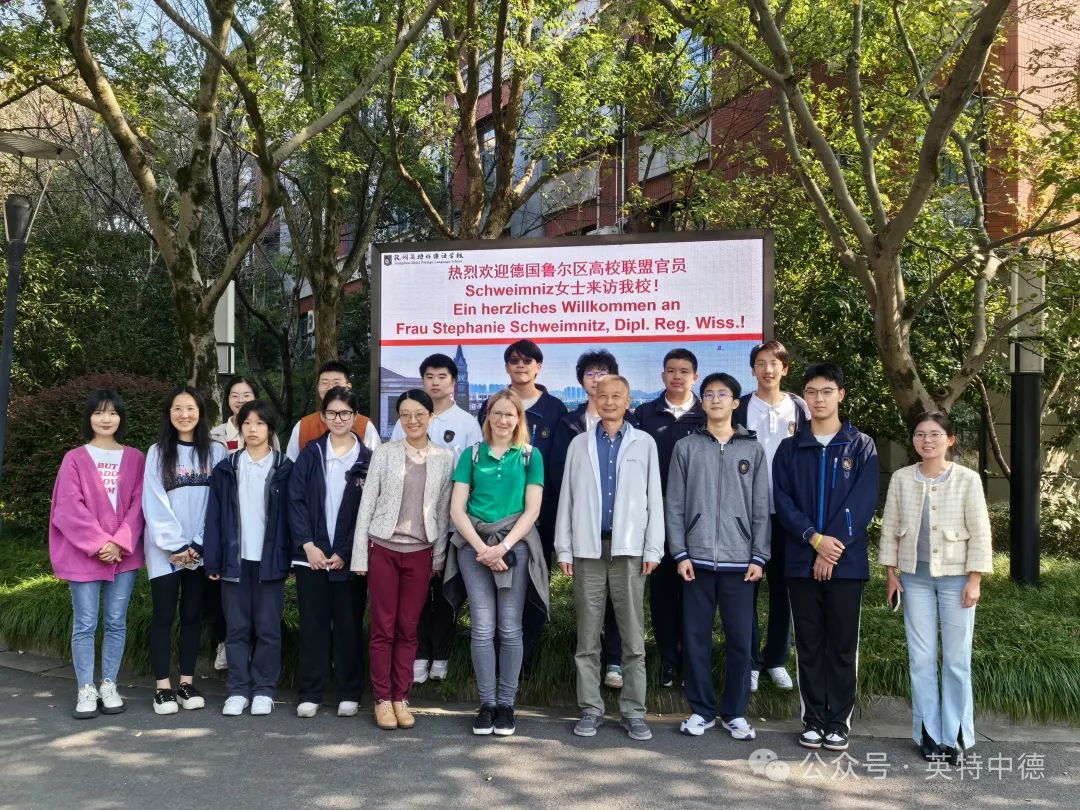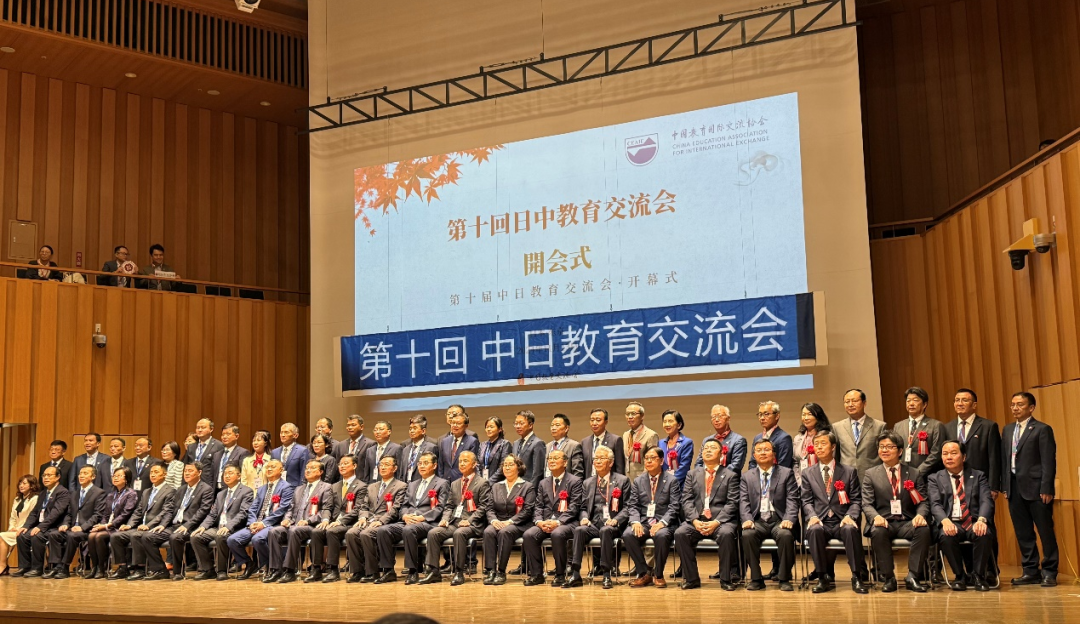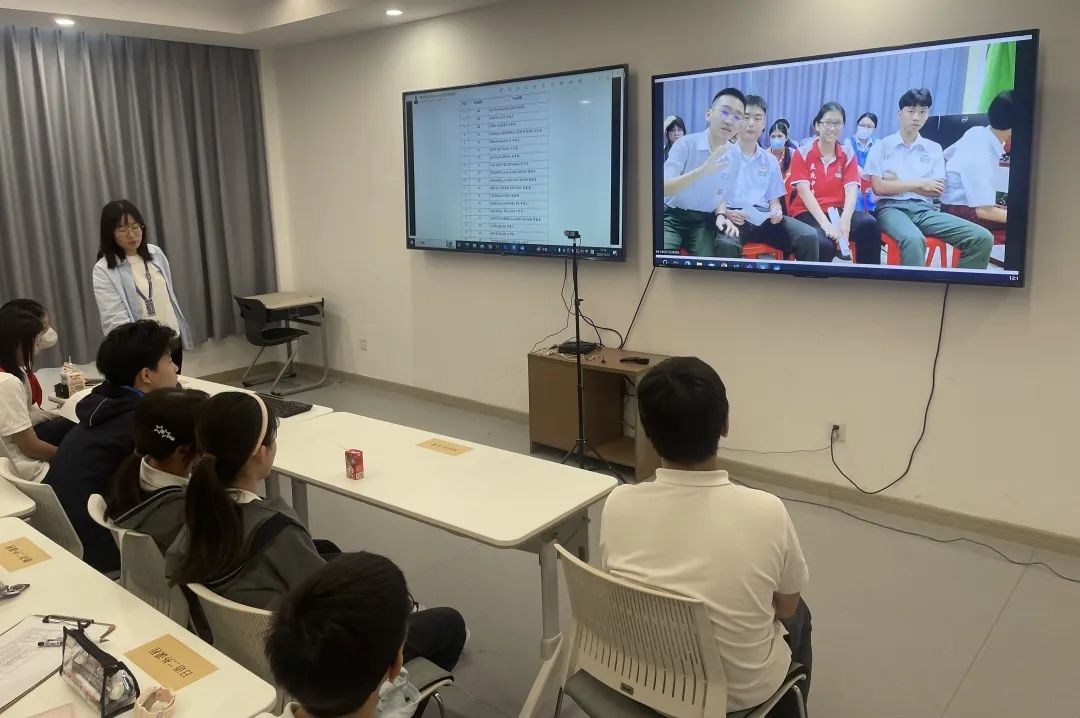


In the context of global industrialization, extreme weather phenomena pose severe challenges to human society and the natural environment. To address these challenges, on December 9, the Zhejiang Association for Science and Technology hosted a "Science Café" event themed "Agricultural Sustainable Development Under Climate Change," inviting experts and scholars from Germany’s Heidelberg Institute for Environmental Economic Analysis and Zhejiang University for specialized presentations. Teachers and students from Hangzhou Entel Foreign Language School participated as representatives.
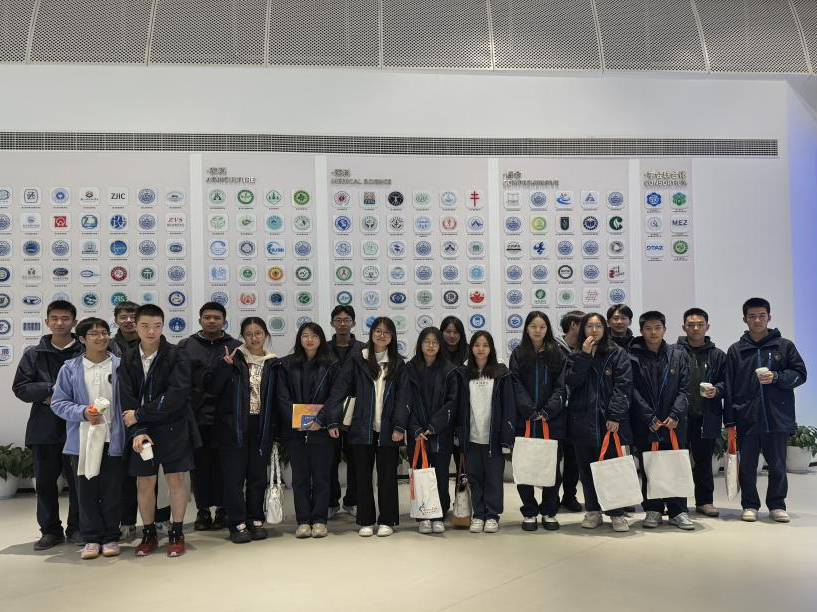
At the event, Michael Seyboth, Deputy Director of the Heidelberg Institute for Environmental Economic Analysis, delivered a speech on behalf of the German delegation. He expressed gratitude to the organizers for their warm invitation and emphasized the importance of advancing international scientific collaboration.
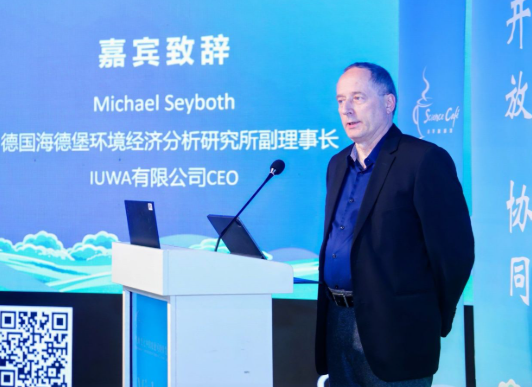
He stated that cooperation and exchange are key pathways to promoting scientific progress and addressing global challenges. He expressed hope for strengthened communication and collaboration between both sides to achieve more outcomes in the future.
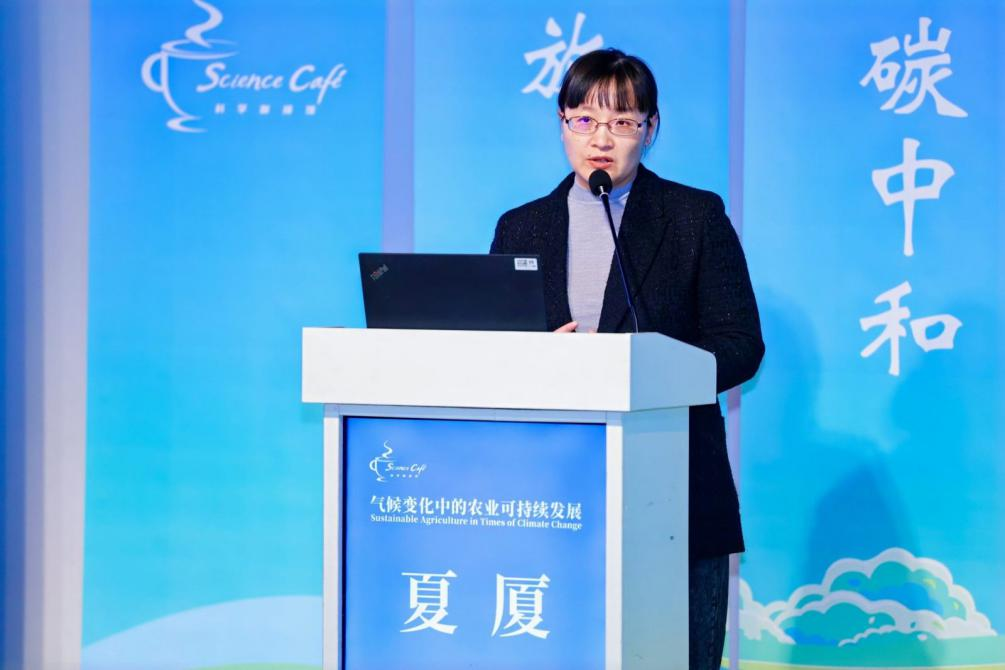
During the keynote sharing session, Xia Xia, Director of the Heidelberg Institute for Environmental Economic Analysis, delved into the complexity of climate change and the impact of human activities on the climate system, underscoring the critical role of science communication in the digital era.
She pointed out that the water cycle and greenhouse effect are intricately intertwined, forming a complex and interconnected system that profoundly and multidimensionally impacts Earth’s climate. This understanding helps us better grasp the mechanisms of global climate change.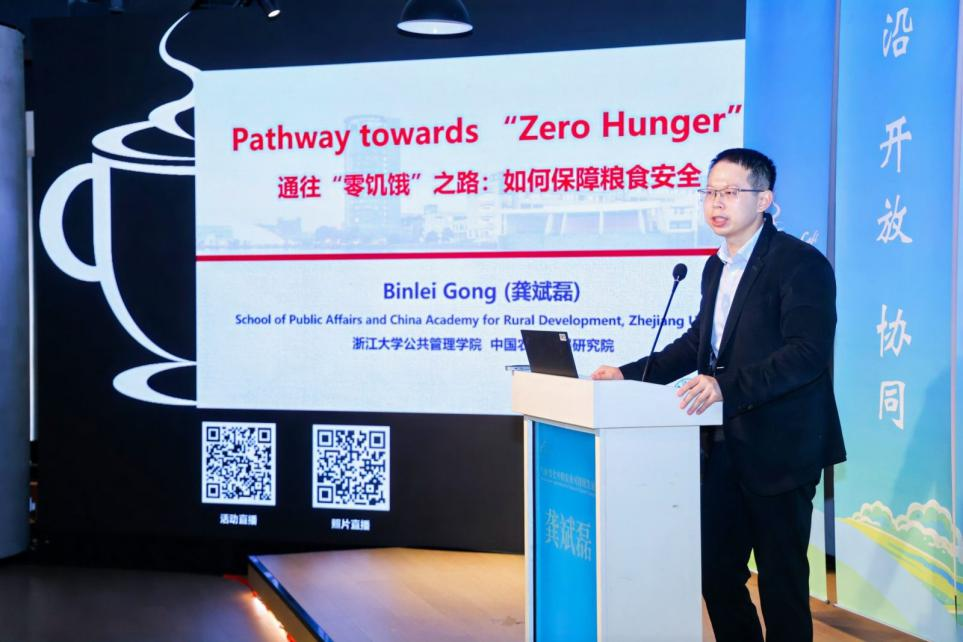
Gong Binlei, a Qiushi Distinguished Professor at Zhejiang University, proposed strategies to achieve dual goals of food security and increased farmer income by enhancing total factor productivity and efficiency.
He also called for strengthening ecological conservation and environmental governance on the basis of technological and institutional innovation, promoting green agricultural transformation, and achieving coordinated development of the economy and environment.
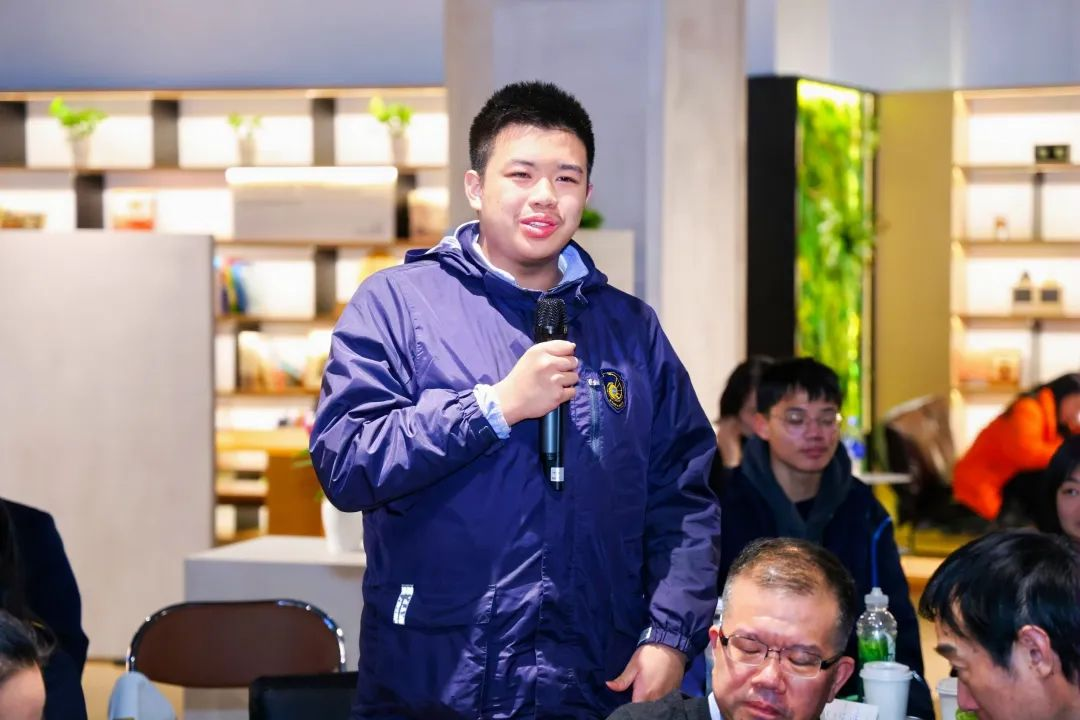
|Question from Student Zhong Yuange
During the interactive session, our school’s teachers and students actively raised questions on topics such as the challenges of achieving global development goals, the link between farmers’ livelihoods and food prices, and attracting youth engagement in agriculture.
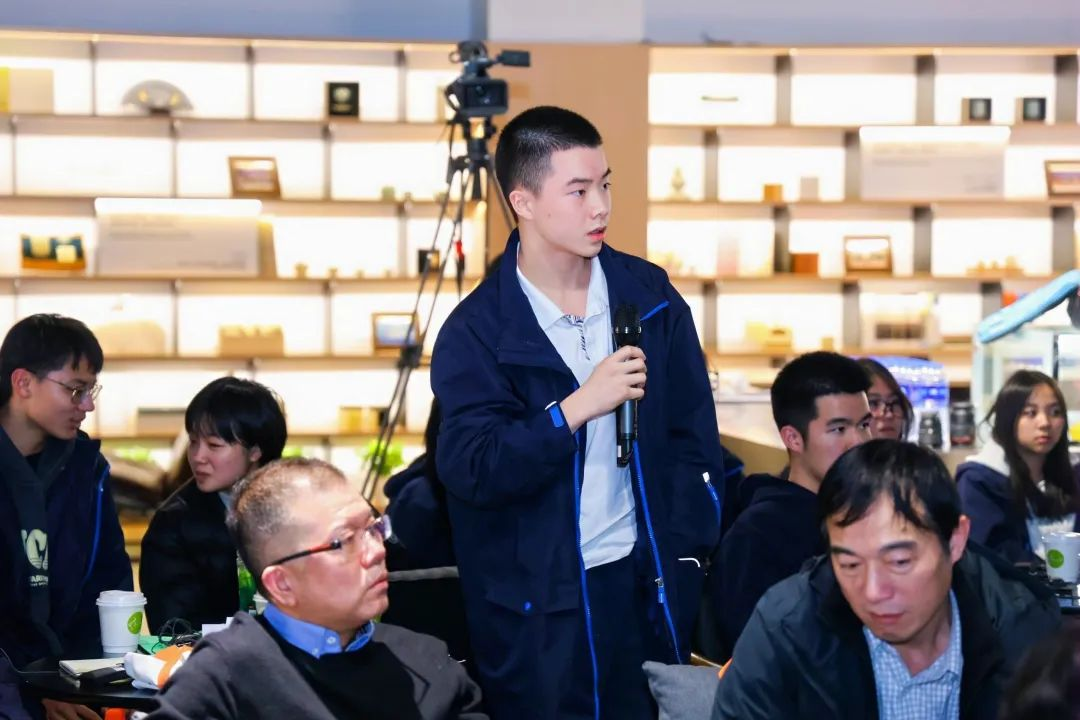
Jack Zheng (郑泽西)asked:
"Does vegetarianism contribute to food security? Should governments encourage people to adopt vegetarianism?"
Zheng Zexi asked:
"Does vegetarianism contribute to food security? Should governments encourage people to adopt vegetarianism?"
Student Reflections
Fei Yang, Class 6, Grade 10:
"Climate change has emerged as a prominent topic in recent times. The Science Café has established a professional and social platform that offers a scientific space for unrestricted gatherings and the interchange of ideas, delving into frontier technologies and innovations, triggering intellectual clashes, and facilitating cross-disciplinary exchanges within the scientific realm.
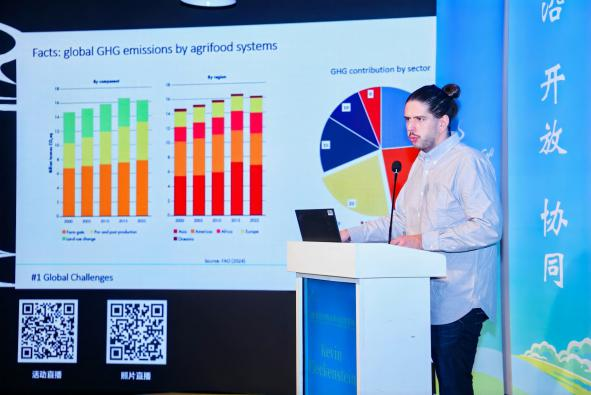
I particularly enjoyed Kevin Fleckenstein's presentation. He exhibited his remarkable research in the field of agriculture. His analysis, grounded in numerous recent events, rendered his speech and lecture highly persuasive. Additionally, he was adept at using plain language to help us comprehend those complex professional terms. The experts also addressed our queries regarding the lecture. It has truly been a delightful and significant experience."
Wu Shihao, Class 7, Grade 10:
"Participating in the Science Café event was immensely rewarding. The experts’ insights deepened my understanding of global climate change, agricultural development, and environmental protection. Listening to Professor Gong’s explanations, I realized the critical role of technological advancement in agricultural modernization. This is not just a macroeconomic issue but also deeply connected to our daily lives, as every grain of food embodies the wisdom of technology and management.
This event highlighted the importance of interdisciplinary collaboration in a globalized world. It was not only an accumulation of knowledge but also an opportunity for reflection and inspiration about the future. If given the chance, I hope to engage in such scientific research and practical activities to contribute to addressing global challenges."