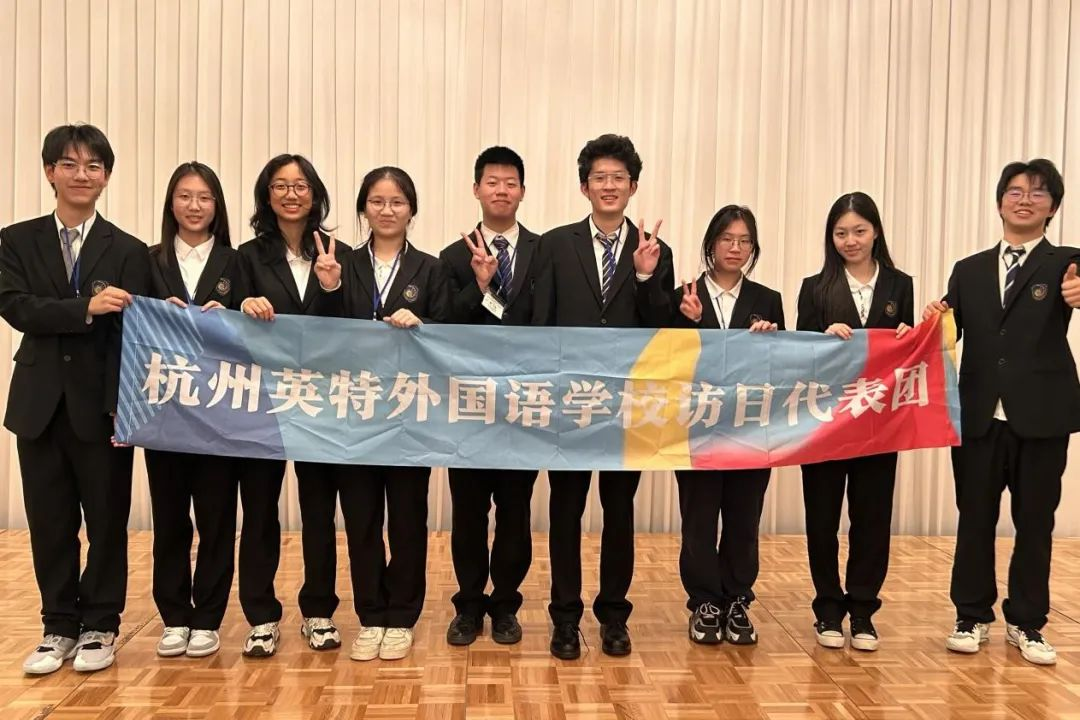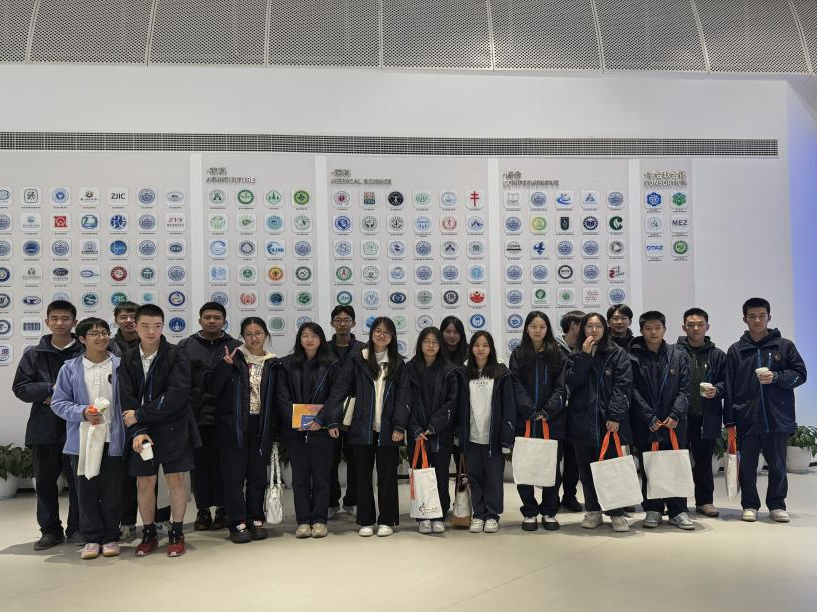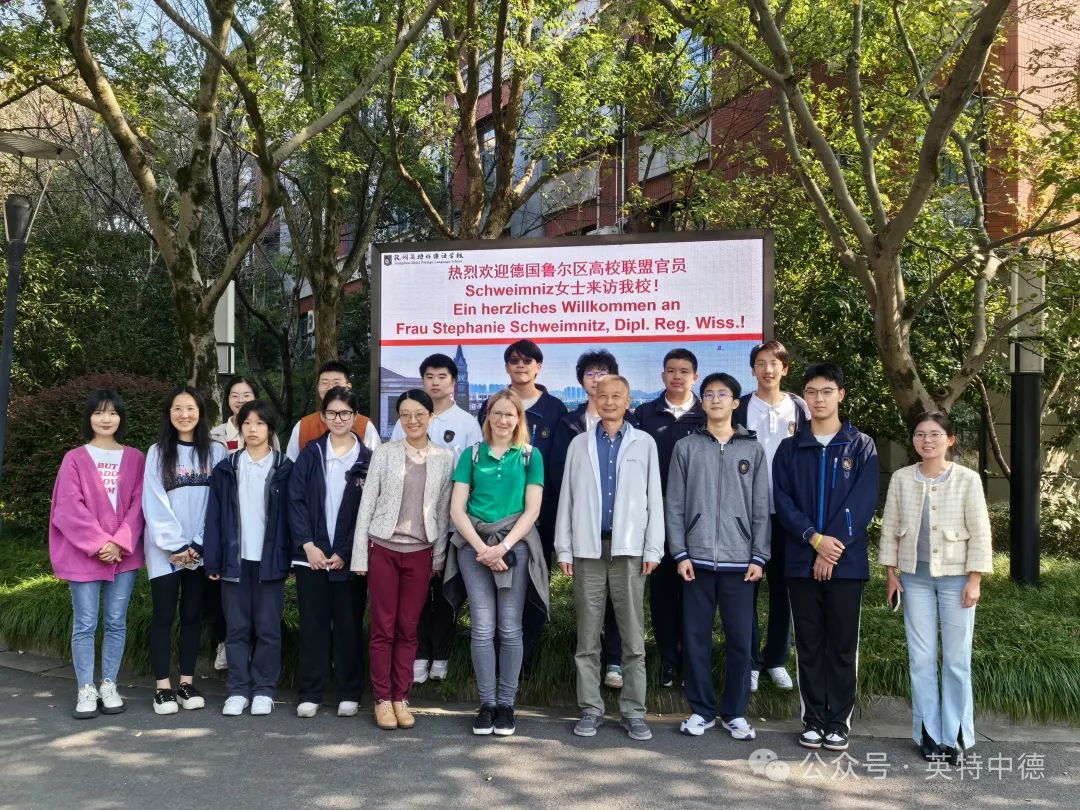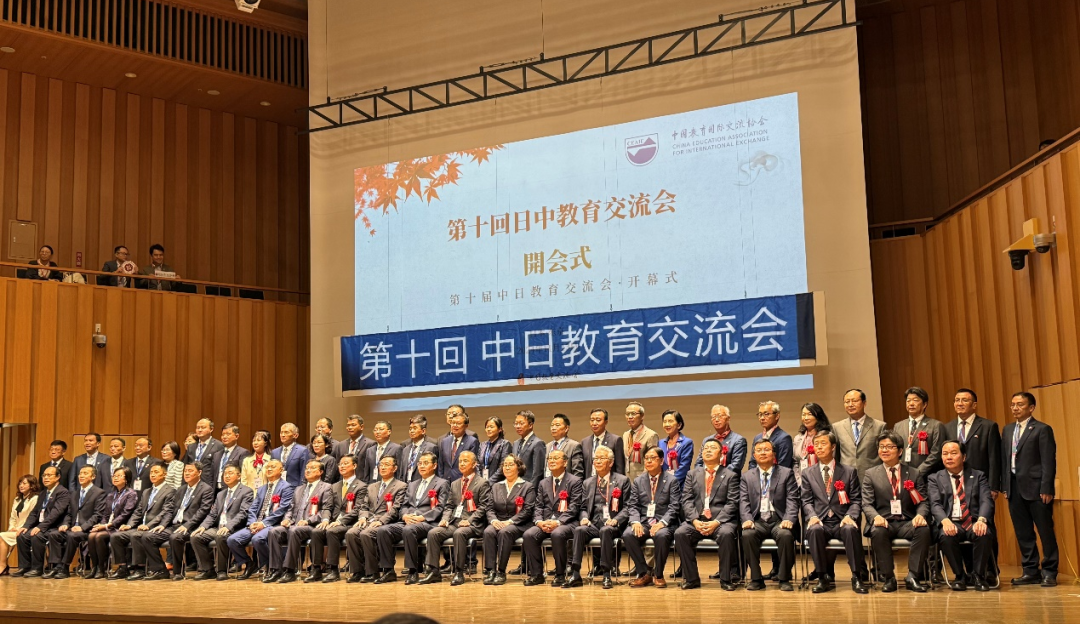


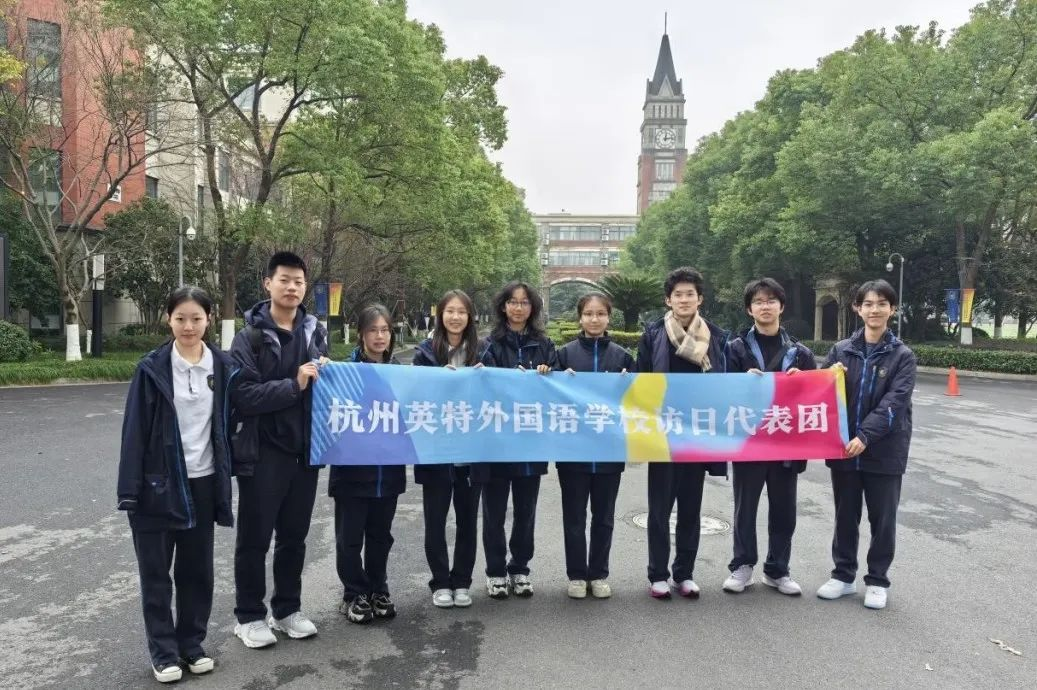
From December 8 to 14, nine high school students from our school participated in the 2024 China-Japan Youth Exchange Program organized by the Ministry of Education as representatives of Chinese youth. During their week in Japan, the students visited the Japanese Ministry of Foreign Affairs, toured Musashino Art University and the Kagawa Chichu Art Museum, explored the societal impacts of "design" through learning and reflection, engaged in discussions with Japanese high school students, and joined youth representatives from Kawasaki City in tree-planting activities.
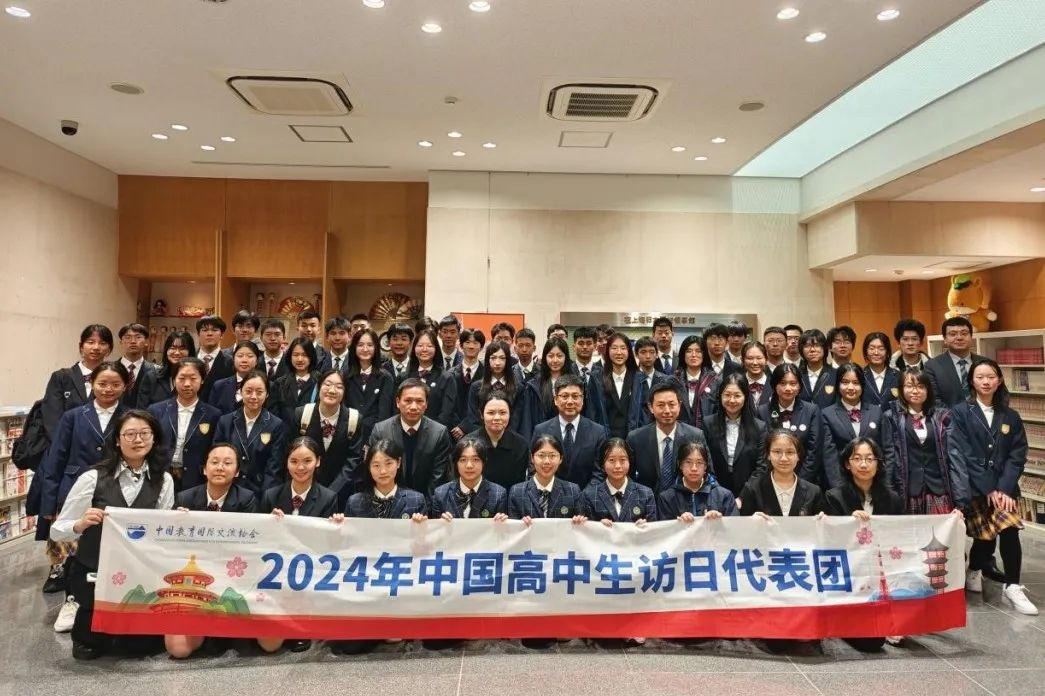
This event, part of the China-Japan Youth Exchange Program framework, saw the Chinese Ministry of Education collaborate with Japanese partners to dispatch three delegations of Chinese high school students (totaling 200 participants) for exchange and learning in Japan. The third delegation, invited by AEON MALL Co., Ltd., comprised 60 teachers and students from five high schools in Shanghai, Zhejiang, and Jiangsu. Prior to departure, the delegation visited the Consulate-General of Japan in Shanghai, where Consul General Mr. Masaru Okada warmly received them. He encouraged the students to study diligently in Japan, develop their strengths in their preferred fields, and become bridges of friendship between China and Japan in the future.
Every day in Japan was fulfilling and enriching. The nine Entel students meticulously documented their experiences through words and images, enriching their own perspectives while leaving valuable materials and insights for future participants. Let us follow their footsteps and revisit this rewarding journey.
Day 1
Ji Yiheng, Class 10, Grade 11
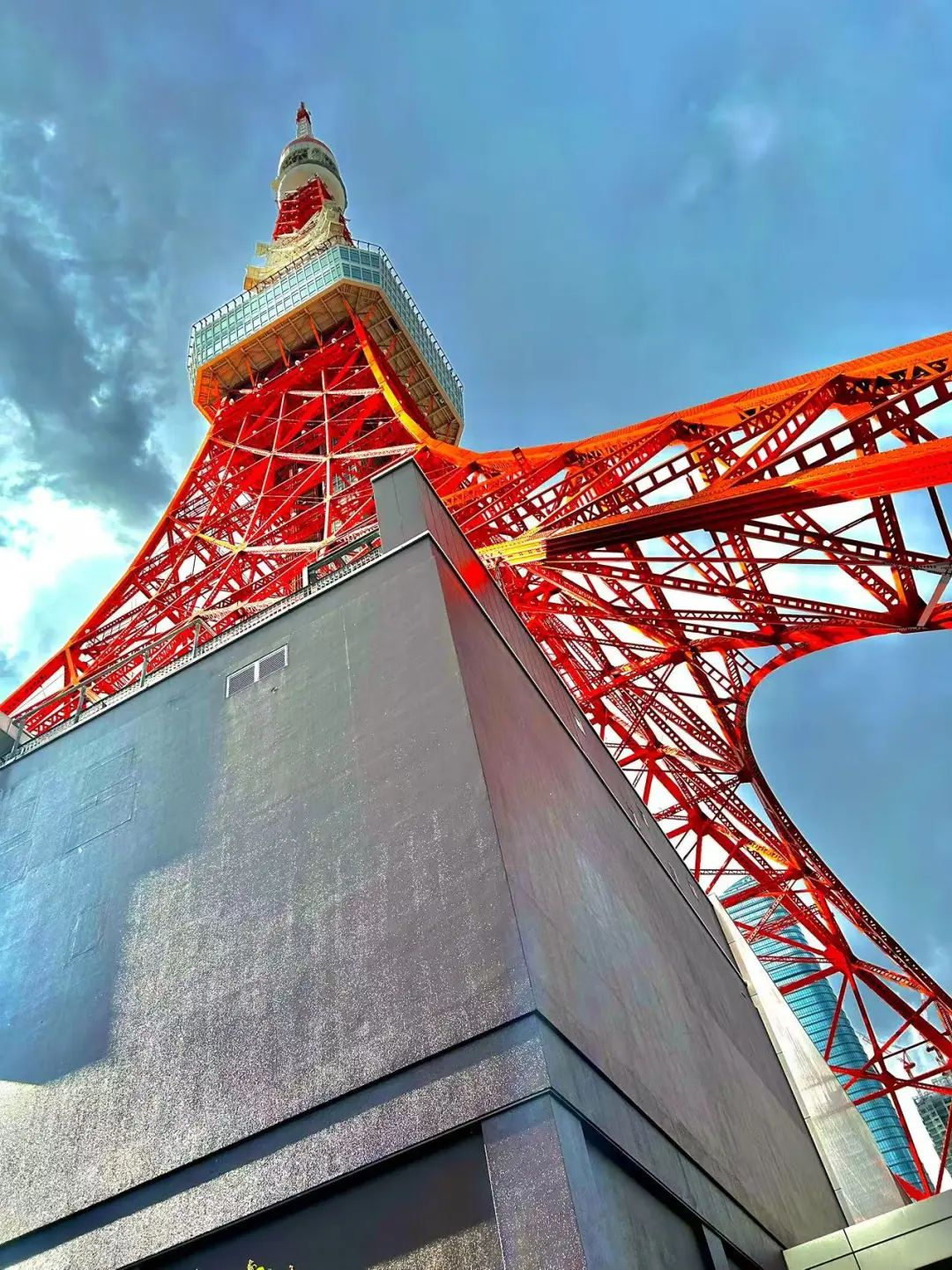
The bustling metropolis of Tokyo amazed us. The roads were strewn with fallen maple leaves, yet evergreen trees kept the city vibrant. Led by teachers Yingzi and two others, we first visited Tokyo Tower, a symbol of good fortune that retains its vivid colors and youthful vitality despite years of weathering. Later, the melodious wind chills near Senso-ji Temple left the deepest impression.
In the evening, at a welcome reception hosted by the Japan-China Friendship Council, our nine Entel students performed a Hyakunin Isshu Chinese Interpretation. We recited Japanese classical poetry in Japanese and shared our Chinese translations, moving the audience deeply. Learning that Mr. Ebihara, Executive Director of the Japan-China Friendship Association, was well-versed in classical poetry, students eagerly discussed the shared elements between Japanese waka and Chinese poetry.
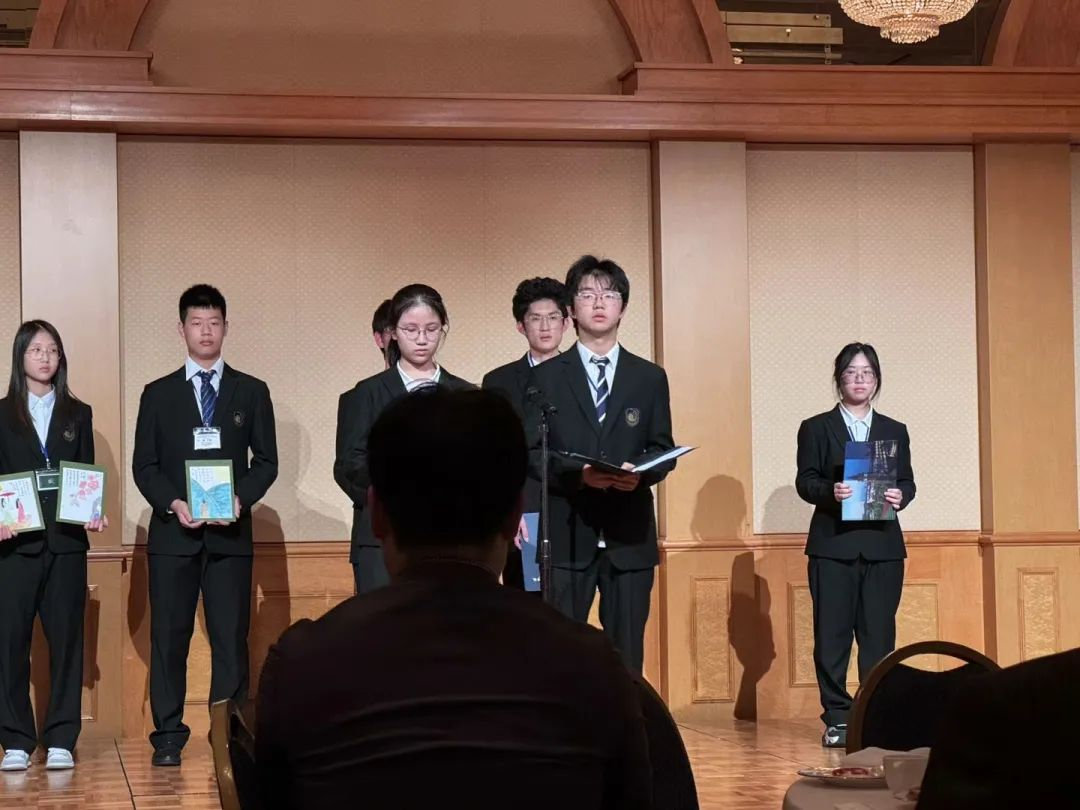
Performance of Hyakunin Isshu Chinese Interpretation
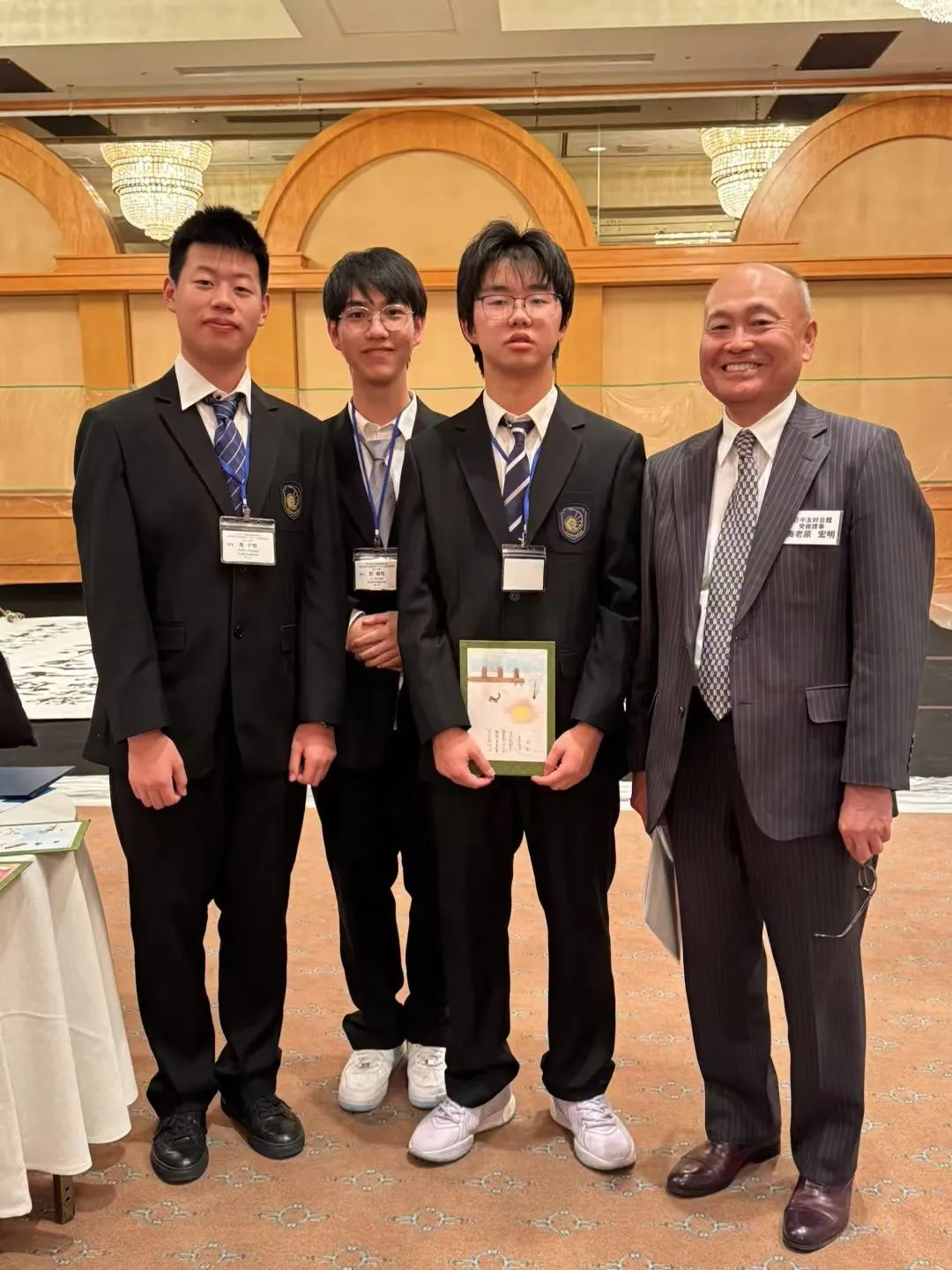
Group Photo with Japan-China Friendship Association Directors
Day 2
Li Kejia, Class 5, Grade 11
On our second day in Tokyo, we visited Musashino Art University. En route, we glimpsed Mount Fuji through the bus window—its snow-capped peak blending with the azure sky was breathtaking. At the university, a lecture on the application and importance of design in daily life, as well as the fusion of computational randomness and human sensibility in art forms, left a profound impact.
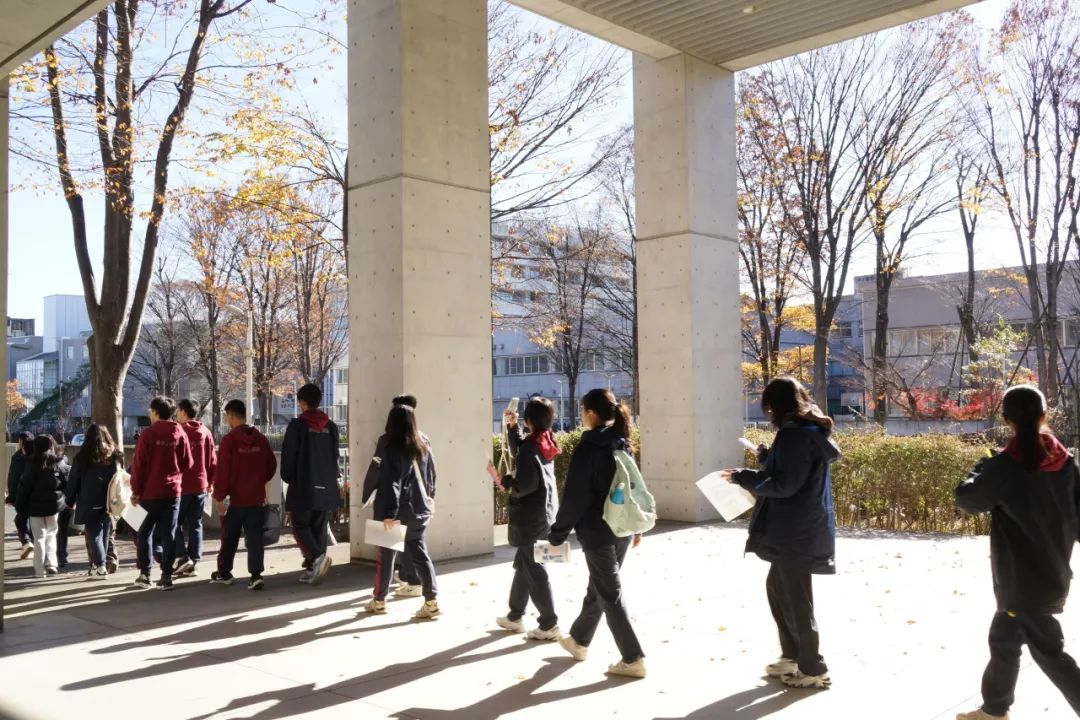
Visit to Musashino Art University
In the afternoon, we participated in a tree-planting activity. Beyond learning teamwork, we discovered how afforestation safeguards Japan’s national security. With 70% of Japan’s land consisting of sand, planting trees not only protects the environment but also mitigates natural disasters. In a humid climate, afforestation is the most effective way to prevent landslides during heavy rains—making this activity profoundly meaningful.
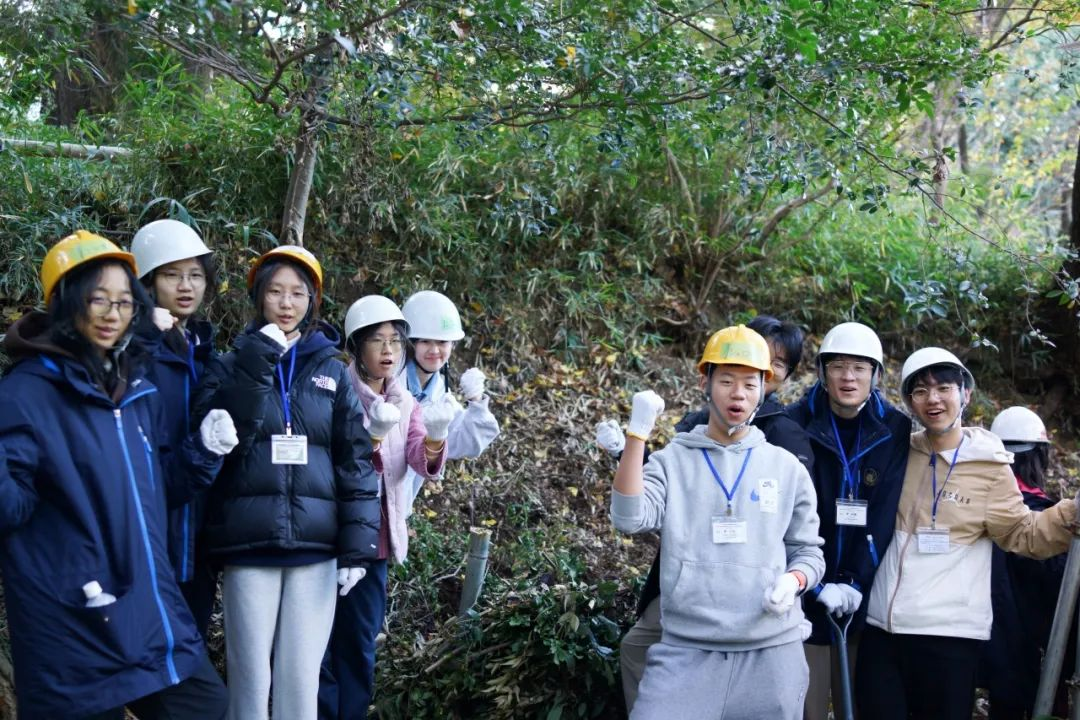
Tree-Planting Activity
In the evening, we attended an exchange session with Japanese high school students. Their calligraphy performance was awe-inspiring, and we later exchanged gifts joyfully.
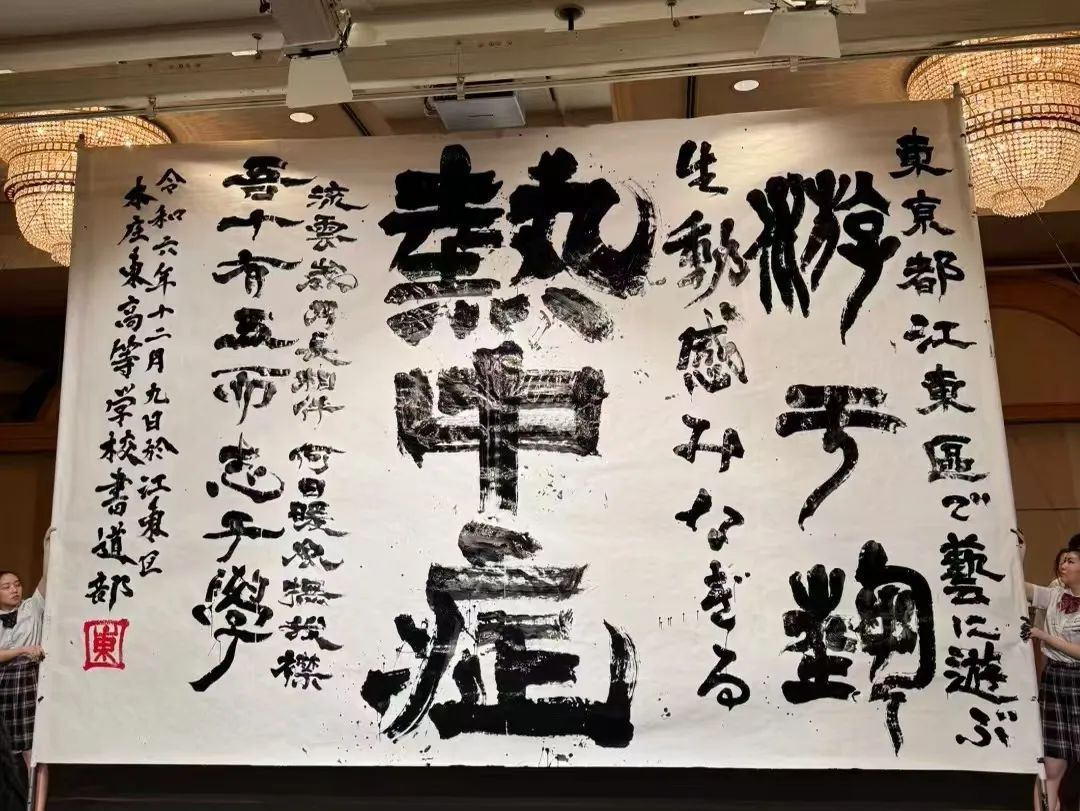
Calligraphy Performance
Day 3
Li Huheng, Class 4, Grade 11
Dressed formally, we visited Chiyoda Ward, Tokyo’s political hub. Government workers filled the streets as we arrived at the Japanese Ministry of Foreign Affairs. There, we met Ms. Akira Ina, Parliamentary Vice-Minister for Foreign Affairs, who spared time from her busy schedule to discuss Sino-Japanese friendship and express high hopes for future exchanges.
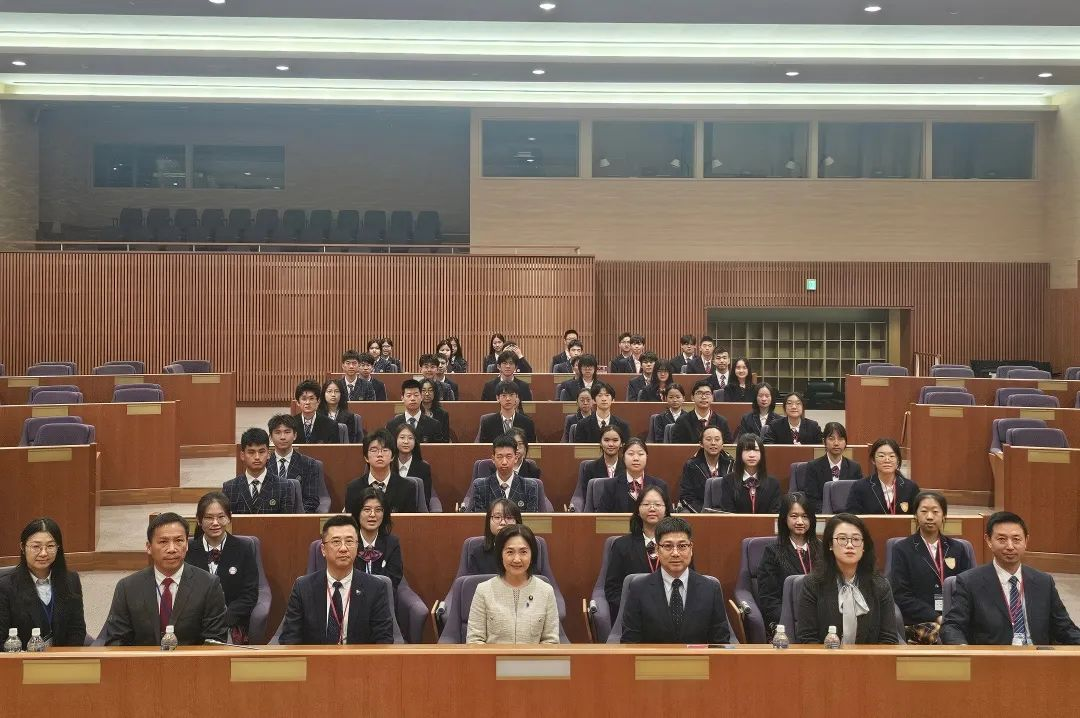
Visit to the Ministry of Foreign Affairs
Afterward, we flew to Kagawa and headed straight to Ritsurin Garden, renowned as Japan’s "most beautiful" garden. Box pines and koi-filled ponds adorned the landscape, with dusk casting a serene glow. The "Mini Feilai Peak" astonished us. We ended the day savoring Kagawa’s specialty udon noodles, chatting merrily.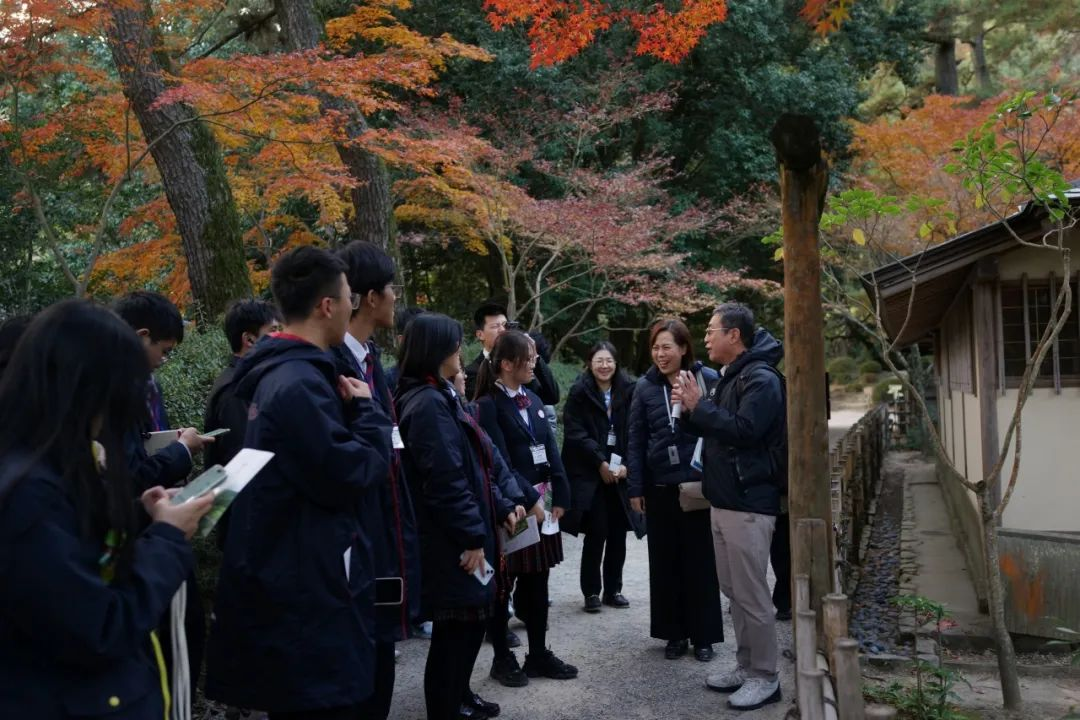
Ritsurin Garden, Kagawa
Day 4
Zhou Ziheng, Class 1, Grade 11
We sailed to Naoshima Island in the Seto Inland Sea. The hour-long voyage offered stunning seaside vistas, foreshadowing the island’s artistic ambiance. Naoshima, an art haven, blends preserved historic architecture with modern installations. Works by artists like Yayoi Kusama and Tadao Ando dot the island, infusing it with creativity.
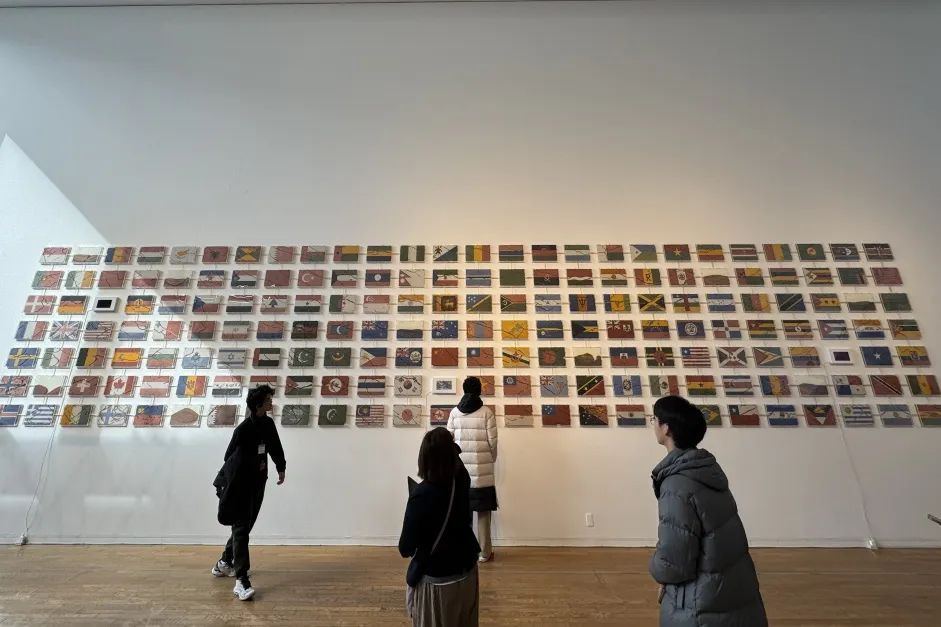
Naoshima Chichu Art Museum
At Tadao Ando’s Chichu Art Museum, natural light replaced artificial illumination, softening the space. Monet’s late works, displayed here, evoked tranquility. Delicious lunches and dinners in Naoshima and Kagawa nourished both body and soul.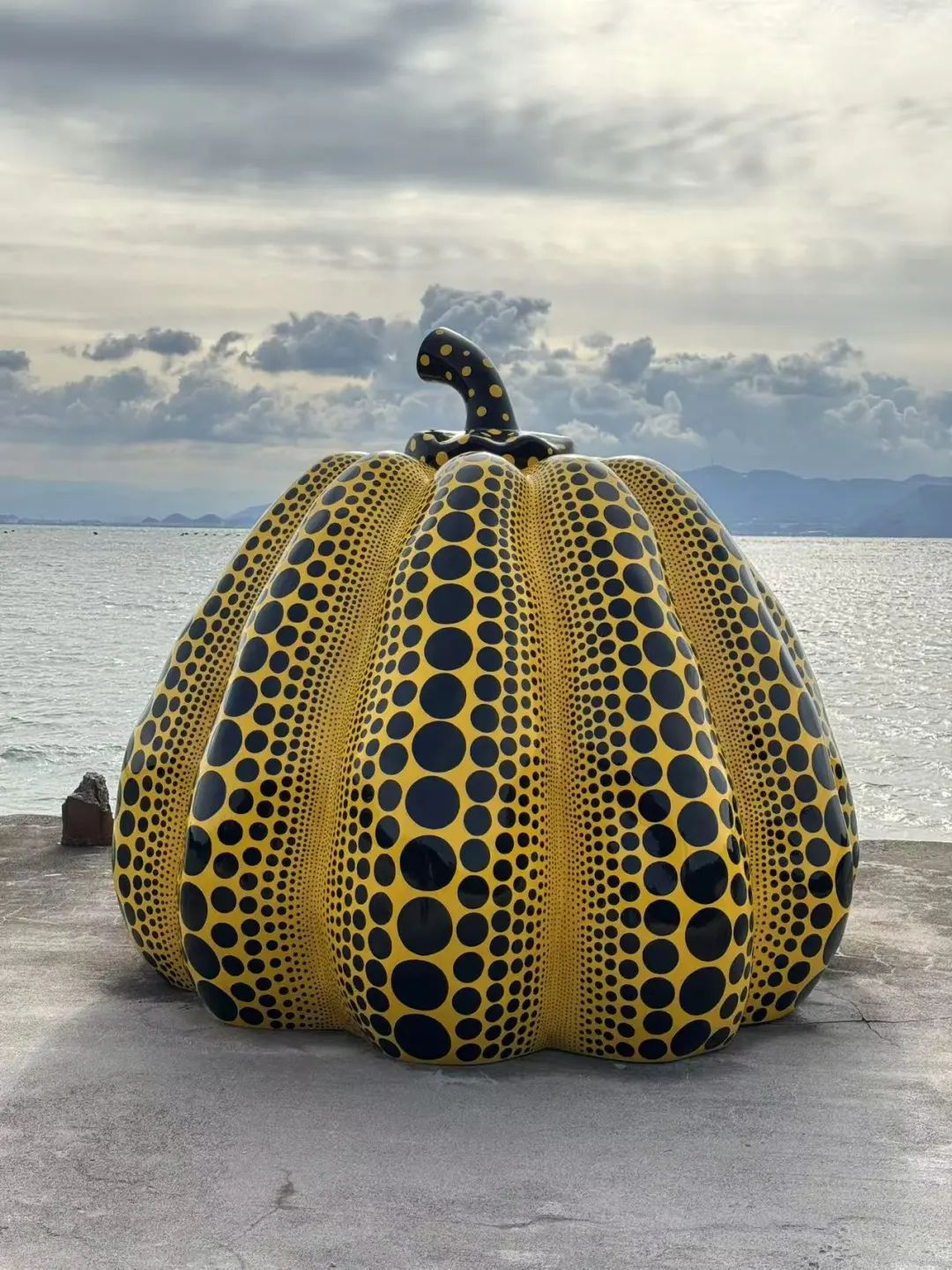
Chichu Art Museum
Day 5
Liang Shuang, Class 4, Grade 11
We took the Shinkansen to Kyoto. On the bus, we listened to Kyoto’s history while watching passing scenery. At the Kyoto International Manga Museum, shelves overflowed with comics, and visitors of all ages immersed themselves in reading. We wandered slowly among the bookcases, absorbing the atmosphere.
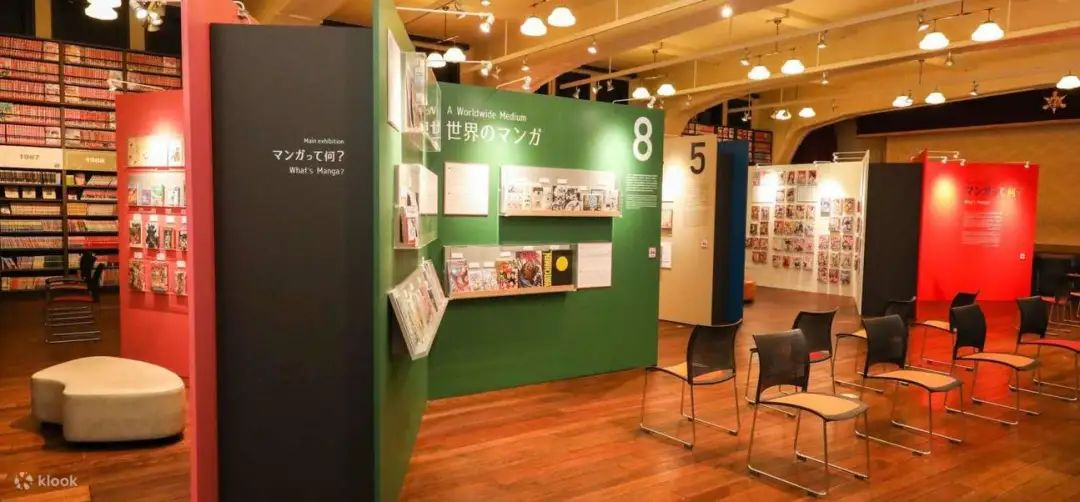
Kyoto International Manga Museum
At Kiyomizu-dera Temple, we witnessed Japan’s annual "First Kanji of the Year" announcement. The temple’s iconic water and maple leaves—symbolizing longevity and autumnal beauty—created a picturesque scene.
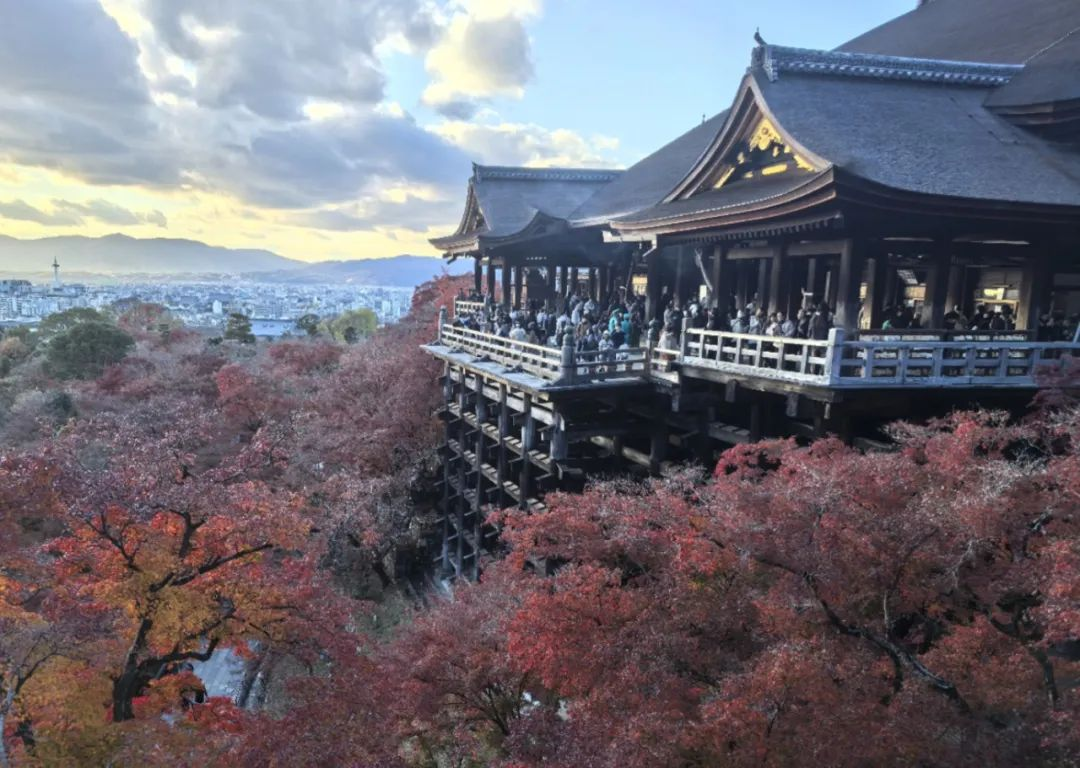
Kiyomizu-dera Temple
Day 6
Hu Yiwen, Class 7, Grade 11
Visiting Kansai Academy’s Senri International School in Osaka deepened my cross-cultural understanding. We learned Osaka dialect basics from senior students and taught them Mandarin. Despite language barriers, smiles and gestures bridged gaps, showcasing the charm of cultural exchange.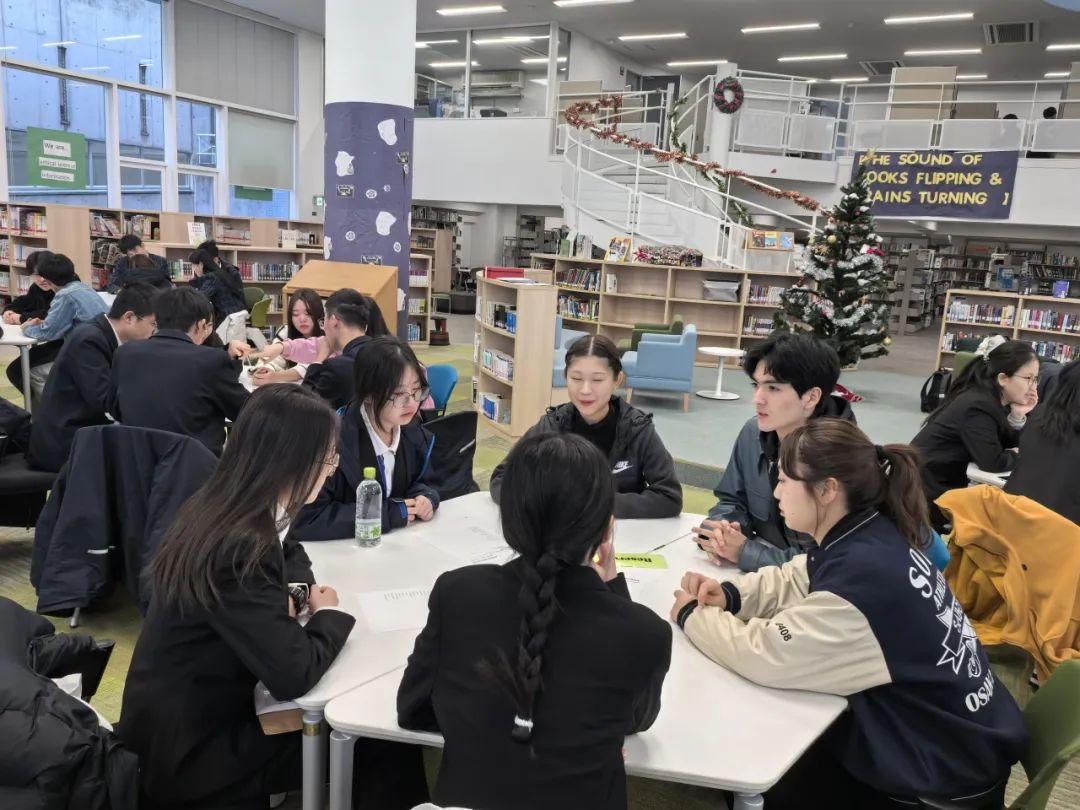
Exchange with Senri International School Students
During gift exchanges, I presented handcrafted calligraphy fans, spreading Chinese culture. This experience broadened my worldview and reinforced the value of embracing diversity.
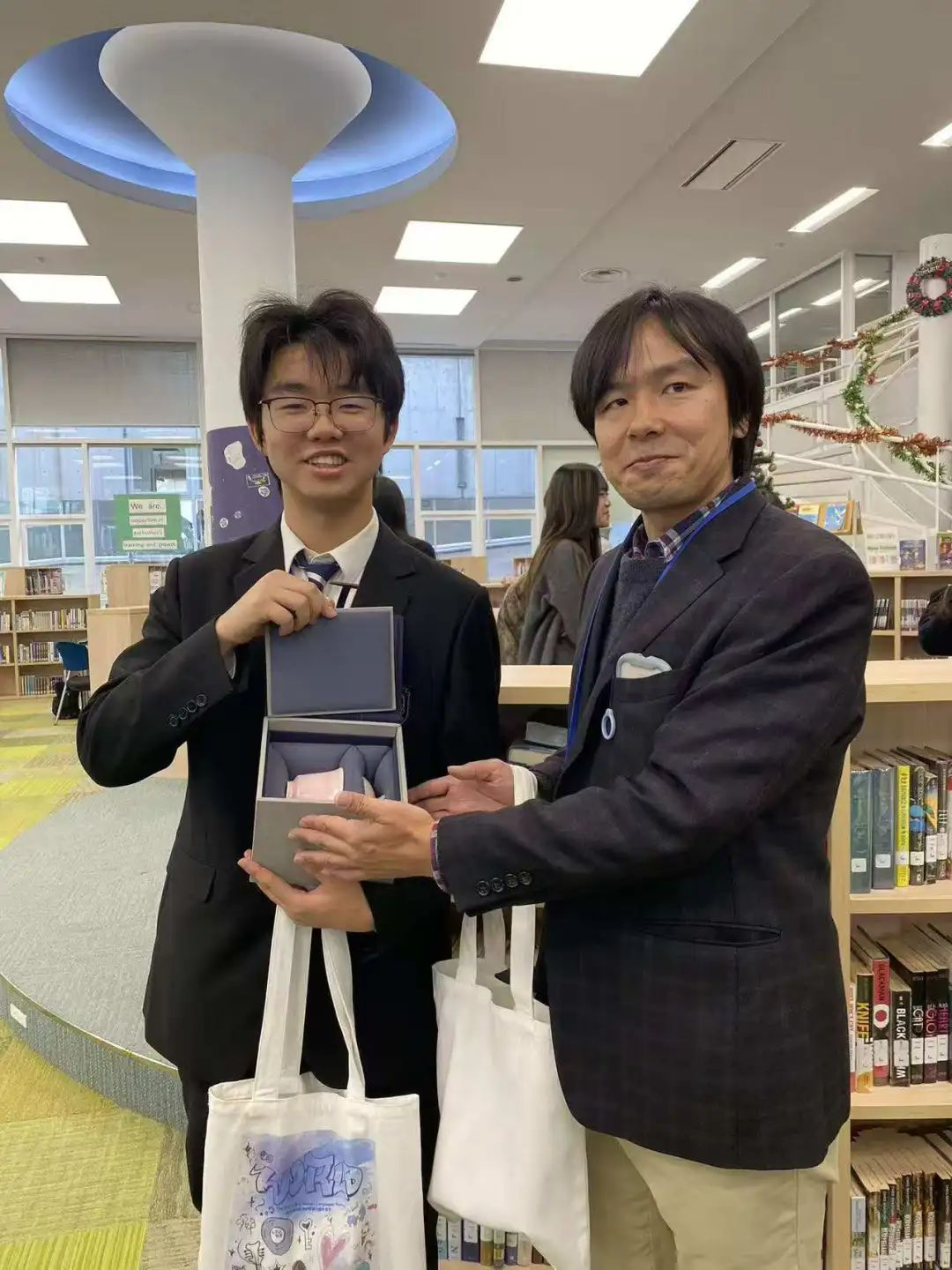
Gift Exchange with Senri International School
Throughout this week of exchange and learning, Entel students not only broadened their horizons and deepened their understanding of Japanese culture but also gained profound insights into the vital role of design in societal development. Through interactions with Japanese high school students, they forged strong friendships and shared cultural perspectives and ideas. Participation in tree-planting activities further heightened their awareness of the responsibility they bear as youth to contribute to environmental protection. This Sino-Japan Youth Exchange Program proved to be a treasured experience, leaving students with immense rewards. We are confident this journey will become an unforgettable memory in their lives, inspiring continuous growth in their future studies and endeavors, while motivating them to contribute to advancing Sino-Japanese friendship and global cultural development.